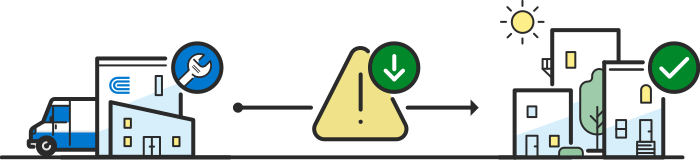
Cómo prevenimos interrupciones generalizadas del servicio
A medida que el calor extremo y las tormentas se vuelven más frecuentes, existen herramientas que utilizamos —y un papel que usted puede desempeñar— para ayudar a que su servicio siga siendo fiable.
Why Extreme Weather Threatens Reliability
Our recent study showed that by 2030, New York City could experience 17 days per year of temperatures higher than 95° F. Heavy rainstorms will also become more common.
Extreme heat and storms place greater demand on the electric grid and increase the risk of equipment failures. That’s why we strategically invest in our systems, replacing cables and transformers, and upgrading other equipment to provide you with the reliable service you expect and deserve during the summer and all year long.
In a heat wave or major storm period, we precisely monitor conditions and manage the grid as the weather builds. We also call in extra crews to help us respond to customer issues 24/7, including hot nights when the equipment has little time to cool off.
How We Can Work Together to Prevent Outages
Prolonged heat, spikes in energy use, and intense storms can put significant stress on the electric grid.
When equipment is at risk of overheating or flooded and pushed to its limit, we use tools to help maintain reliable service and prevent widespread outages. We also ask customers to take steps to reduce the risk of outages for themselves and their neighborhoods.
What You Can Do:
Conserve Energy
This is especially important between 2 and 10 p.m., when demand is highest.
During a heat wave, energy conservation helps protect the grid—and can help you save money. At times of prolonged heat when repairs to the system are being made, we will ask customers in particular areas to conserve energy.
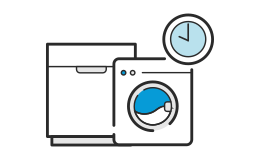
Delay use of dishwashers, laundry machines, and other large appliances, or use just one at a time.
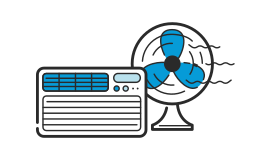
Set your air conditioner to the highest comfortable temperature. Combine with fans to help circulate cool air. If you have multiple air conditioners, use only one.
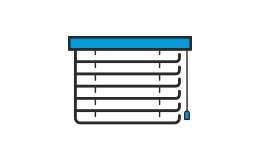
Keep shades, blinds, and curtains closed to help keep cool air inside.
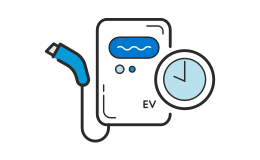
Charge electric or plug-in hybrid vehicles after 10 p.m., unless necessary.
Reconsider Your Energy Use
By selecting a new electric rate, you agree to shift or concentrate your energy use, which helps reduce stress on the grid. The bonus: You can also lower your costs. Our Time-of-Use Rate, Smart Energy Plan, Steady Use Rate, or Standby Rate might match your normal electric usage patterns or work for you with some minor usage adjustments. Try our Rate Plan Calculator to find the best rate for you.
Tools We Might Use:
Voltage Reduction
We may temporarily reduce voltage in your network by 5 to 8% to maintain service while we make repairs to equipment damaged by extreme heat.
You may not notice any changes in your service during a voltage reduction. In some cases, you may experience dimmer lights or brief fluctuations affecting elevators or certain appliances.
We notify affected customers by email and text message before a voltage reduction begins and continue to send updates as repairs are made to the network. We also alert the media so news reports can include voltage reduction information.
Emergency Power Shutoff
We take any interruption to your service seriously. So, as a last resort—when more widespread outages are possible—we may temporarily shut off power in a limited area to protect equipment from further damage.
We only use this tool after exhausting other options, including reducing voltage, cooling overheated equipment, deploying generators, and asking customers to conserve energy. Learn more about Emergency Power Shutoffs.